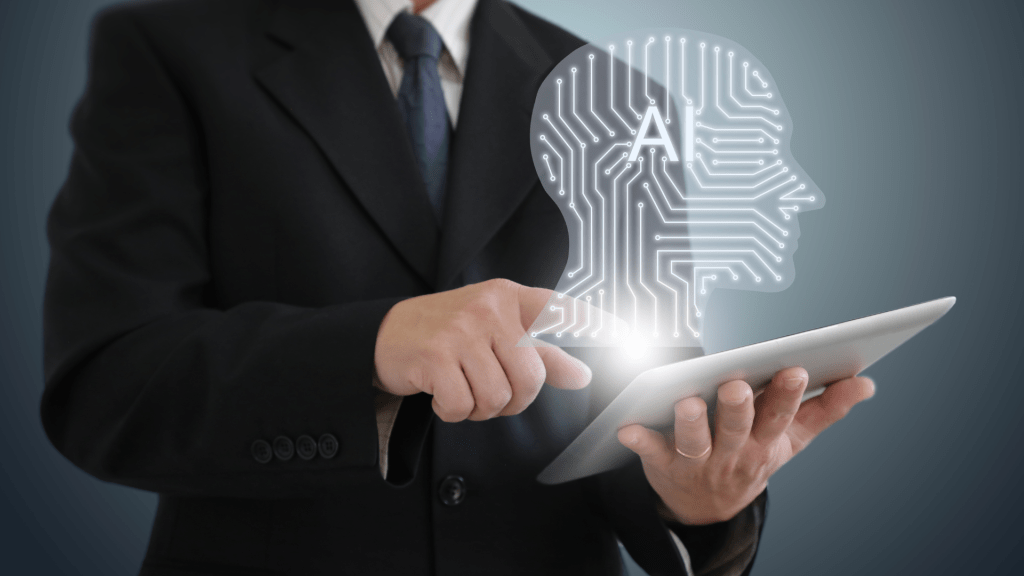
Discover how to adapt your paid media strategy for the AI era, from utilizing AI-generated creatives to managing automated campaigns.
Artificial Intelligence (AI) is transforming PPC advertising in unprecedented ways, from creating ad assets to optimizing campaigns and targeting audiences. The rise of large language models (LLMs) is also challenging Google’s search dominance, reshaping the search landscape.
This article explores the latest trends, tools, and strategies to help you navigate this evolving environment and leverage AI to enhance your paid media performance.
AI’s Impact on Paid Media Strategy
AI has significantly impacted paid media over the past decade. With Google Ads introducing smart bidding in 2016, automation in campaign management became a reality, providing an early advantage in harnessing AI technology. Recent developments, such as Microsoft’s Copilot for creative production and Google’s Gemini-powered advertising solutions in Performance Max, have further accelerated this shift.
While these advancements offer numerous benefits, they also bring challenges, including reduced ad originality and diminished transparency and control for advertisers.
AI-Powered Tools, Formats, and Platforms
Performance Max
Performance Max represents a major step toward increased automation in advertising. These campaigns automatically optimize for conversions across Google’s entire network, including YouTube, Display, Search, Discover, Gmail, and Maps. Recent updates have introduced control features, like brand exclusion capabilities, but Performance Max campaigns still require close human oversight to perform effectively. They work best with multiple campaigns, extensive asset groups, rich audience data, and high-quality creative assets.
AI Overviews: Diversifying Your Media Mix
Google’s AI Overviews mark a significant shift in search experiences, reflecting the broader trend toward AI-driven strategies. Ads from existing Search, Performance Max, and Standard Shopping campaigns may be tested within AI Overviews. Although AI Overviews have recently been scaled back due to quality concerns, they are expected to increase in visibility over time. Brands that relied on SEO may need to invest more in PPC to counteract reduced organic visibility and higher competition.
SearchGPT
OpenAI’s prototype, SearchGPT, directly challenges Google Search. Early results show that large language models (LLMs) can be effective search engine alternatives. While OpenAI aims to minimize ad overload, it’s anticipated that ads will eventually be integrated into these platforms.
AI-Powered Image and Video Editing
Google’s AI tools for creative editing are revolutionizing ad creation. These tools enable you to add objects, extend backgrounds, and create more engaging and immersive user experiences. The introduction of 3D rotating ads and virtual try-ons in Shopping ads further enhances user interaction and may boost conversion rates.
Best Practices for Structuring Accounts in the AI Era
Effective account structuring and audience management are crucial in the AI era. Two primary approaches include:
- Numerous Targeted Ad Groups: Using ad customizers and specific landing pages to create highly targeted campaigns allows for precise audience segmentation and tailored messaging.
- Fewer, Larger Ad Groups: Consolidating ad groups into larger segments with broader targeting relies on AI to optimize within these categories.
Many clients are adopting the Hagakure method, which simplifies account management and leverages Google’s machine learning capabilities for better automated campaign performance.
Challenges and Opportunities
Challenge: Transparency and Control
AI-driven advertising can reduce transparency and control, potentially leading to suboptimal results. Recent updates, such as topic and keyword exclusions in Performance Max, are addressing these issues.
Opportunity: Leveraging First-Party Data
High-quality first-party data is essential for guiding audience targeting and tracking offline conversions. This is especially important for B2B brands, as machine learning thrives on robust data.
Challenge: Risk of Over-Reliance on AI Creative
Excessive dependence on AI for creative production may result in less distinctive content. Balancing AI with human creativity is essential to maintain brand uniqueness and capture attention.
Opportunity: Integrated Search
With platforms like ChatGPT and AI-generated results on the rise, PPC and SEO teams must collaborate to ensure search strategies drive incremental growth and adapt to the evolving landscape.
Takeaways: 5 Steps to Future-Proof Your PPC Campaigns
- Focus on Data Quality: Ensure your data is accurate and comprehensive to build a solid foundation for AI-driven campaigns.
- Balance Automation with Human Expertise: Combine AI’s efficiency with human strategic insights for optimal results.
- Diversify Spend and Reduce Reliance on Search: Consider reallocating your ad budget to platforms like Reddit, which are gaining traction.
- Integrate Your Search Data: Evaluate the impact of your search efforts to identify worthwhile investments for long-term growth.
- Invest in Education and Training: Stay ahead in the evolving search advertising landscape by continuously learning and adapting to new tools and technologies.
 Coach Michelle Maloney