
Buying a home for the first time can be exhilarating yet challenging, especially when it comes to negotiating the best price. A well-prepared negotiation strategy can make all the difference, helping you secure your dream home without overspending. Here’s a guide to essential negotiation tips to give you the upper hand as a first-time home buyer.
Do Your Homework on the Market
Understanding the local market is crucial to crafting a strong offer. Research recent sales in the area, current demand, and whether it’s a buyer’s or seller’s market. In a competitive market, homes may sell above asking price, while in a buyer’s market, you may have more room to negotiate.
- Tip: Check out comparable properties, or “comps,” in the neighborhood to assess the fair market value. This gives you a starting point for your negotiations and ensures you’re not overpaying.
Get Pre-Approved for a Mortgage
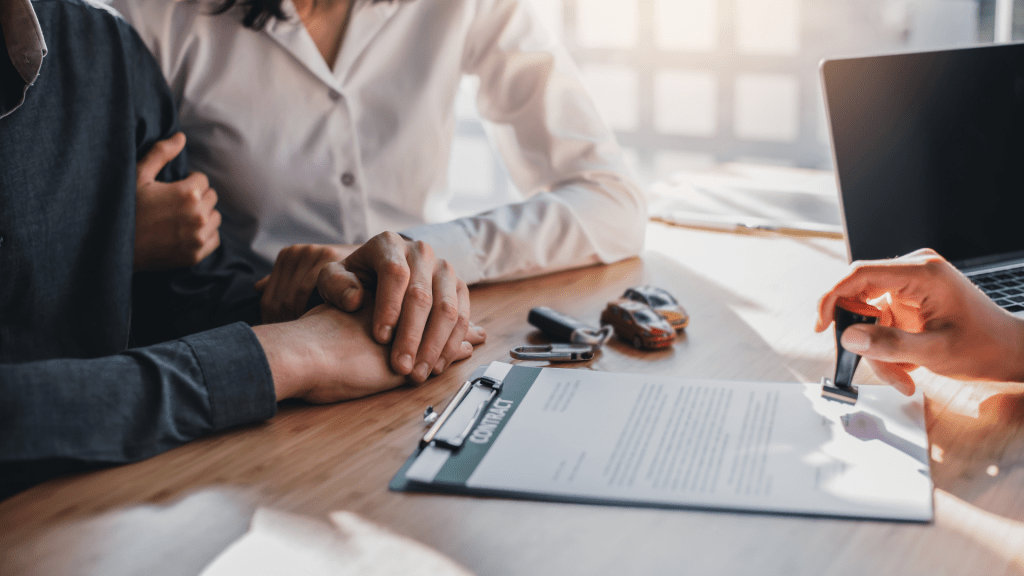
A mortgage pre-approval strengthens your position as a buyer, showing sellers you’re serious and financially prepared. It’s an essential tool for first-time buyers to stand out, especially in competitive markets where sellers may have multiple offers.
- Tip: Having a pre-approval letter in hand can increase your chances of a successful negotiation and demonstrate to sellers that you can close quickly.
Build Rapport with the Seller
Buying a home is often an emotional process for sellers, especially if they’ve lived there for years. Building a respectful, friendly relationship can give you a subtle advantage during negotiations. Showing genuine interest in the home and learning a bit about the seller’s motivations—such as their timeline or other needs—can help you create a win-win scenario.
- Tip: Write a personalized note expressing what you love about the home. This can create a connection and may sway the seller in your favor, even in competitive situations.
Don’t Be Afraid to Negotiate Repairs
Once the inspection is complete, you may have a list of items that need attention. Sellers are often open to negotiating repairs or offering credits, especially for significant issues like a leaky roof or outdated plumbing.
- Tip: Instead of requesting numerous minor repairs, focus on major issues and consider asking for a credit so you can handle the repairs on your own terms after closing.
Be Ready to Compromise on Closing Costs
Negotiating closing costs can be a smart move for first-time buyers. In some cases, sellers may be willing to cover part or all of the closing costs to expedite the sale. This can alleviate some of the upfront expenses, making your purchase more affordable.
- Tip: If the seller isn’t open to lowering the price, they may still be willing to contribute toward closing costs. Discuss this option to see if you can lighten your financial load at closing.
Be Prepared to Walk Away
One of the most powerful negotiation tools is the willingness to walk away. As a first-time buyer, it can be tempting to make concessions, but it’s essential to know your limits. If the seller is unwilling to negotiate within your budget, it may be best to continue your search.
- Tip: Set a maximum price you’re willing to pay before starting negotiations. Having a clear ceiling will prevent you from getting caught up in the emotional side of buying and help you stick to your budget.
Offer an Earnest Money Deposit to Show Commitment
An earnest money deposit is a small amount paid to show the seller you’re serious about buying the property. This can strengthen your offer, especially if there are other buyers competing for the home.
- Tip: Offering a slightly higher earnest money deposit can signal commitment and make your offer stand out in a crowded market.
Know When to Negotiate with Flexibility
If the seller needs a quick closing or extra time to move, offering flexibility in the timeline can be an effective bargaining chip. Sometimes, timing can be as valuable as price to the seller, and accommodating their needs can help you get a better deal.
- Tip: Ask your agent to gather insights into the seller’s ideal timeline, and consider tailoring your offer to meet these preferences where possible.
Work with an Experienced Real Estate Agent

A knowledgeable real estate agent is an invaluable asset for first-time home buyers. They understand the local market, know the best negotiation tactics, and can provide advice specific to your situation. Leaning on their expertise allows you to make informed decisions and navigate complex negotiations with confidence.
- Tip: Choose an agent who is familiar with the area and has experience working with first-time buyers. Their insights and guidance can give you an edge in securing a favorable deal.
Keep Emotions in Check
It’s easy to fall in love with a property, but keeping emotions in check is crucial to successful negotiations. Approach each step with a clear head and a focus on your long-term goals. Remember, there are plenty of homes out there, and the right one will be worth the wait.
- Tip: Set a list of must-haves and deal-breakers before you start. This list will serve as your guide, helping you evaluate each property logically and stick to your goals during negotiations.
Conclusion
Negotiating a home purchase can be challenging, especially for first-time buyers. By understanding the market, setting clear boundaries, and employing effective negotiation tactics, you can confidently approach the buying process and secure a home that meets both your needs and budget. Remember, each negotiation is a step closer to owning your first home—approach it with preparation and a touch of patience, and you’ll be moving into your dream home before you know it.
 Coach Michelle Maloney