
The real estate market is deeply intertwined with economic conditions, making it essential for buyers, sellers, and investors to understand the various economic influences at play. From interest rates to employment trends, these factors can significantly affect property values and market dynamics. In this guide, we’ll delve into the key economic influences on real estate, providing insights to help you navigate the market effectively.
Interest Rates
The Cost of Borrowing
Interest rates play a crucial role in determining the cost of borrowing for home mortgages. When interest rates are low, borrowing becomes more affordable, leading to increased demand for homes. Conversely, higher interest rates can deter buyers, as higher monthly payments reduce purchasing power.
- Current Trends: In recent years, fluctuations in interest rates have impacted the housing market. As central banks adjust rates to control inflation, potential buyers and investors must stay informed about these changes to make strategic decisions.
Inflation
Impact on Home Prices
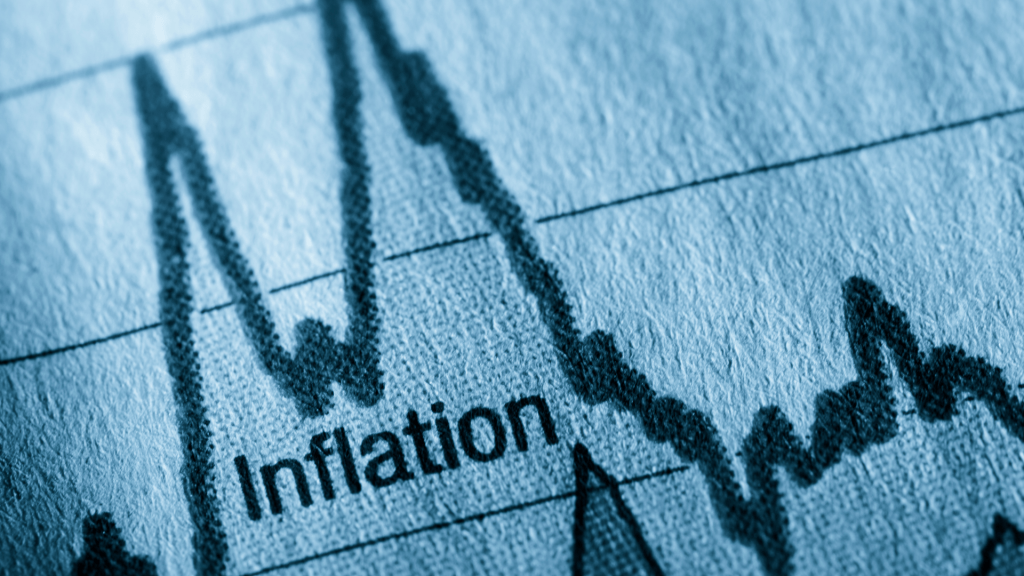
Inflation affects the purchasing power of consumers and the cost of goods and services, including housing. As prices rise, so do home values, which can be beneficial for homeowners looking to build equity. However, high inflation can also lead to increased construction costs and reduced affordability for buyers.
- Strategy Tip: Consider inflation trends when evaluating potential investments. Properties in areas with stable demand and limited supply may better withstand inflationary pressures.
Employment and Income Levels
The Foundation of Demand
Employment rates and income levels are significant indicators of economic health and directly influence the real estate market. Higher employment rates typically lead to increased demand for housing, as more individuals can afford to buy or rent homes.
- Regional Variations: Different regions may experience varying employment trends, impacting local housing markets. Monitoring local job growth and economic conditions can provide valuable insights for real estate investors.
Economic Growth
Measuring Market Confidence
Economic growth, often measured by GDP, affects consumer confidence and spending habits. When the economy is thriving, people are more likely to invest in real estate, leading to higher property values and increased activity in the housing market.
- Long-Term Perspective: Even during economic downturns, some markets may remain resilient. Identifying areas with potential for long-term growth can yield profitable investment opportunities.
Supply and Demand Dynamics

Market Equilibrium
The balance between supply and demand is a fundamental principle in real estate economics. When demand outstrips supply, home prices rise, creating a seller’s market. Conversely, an oversupply of homes can lead to lower prices and a buyer’s market.
- Monitoring Local Markets: Keep an eye on local real estate inventories and new construction projects. Understanding these dynamics can help you make informed decisions about when to buy or sell.
Government Policies and Regulations
Influencing Market Conditions
Government policies, such as tax incentives for homebuyers, zoning laws, and regulations affecting lending practices, can have profound effects on the real estate market. These policies can either stimulate demand or restrict it, influencing how quickly homes sell and at what prices.
- Stay Informed: Keeping abreast of changes in government regulations and policies can help you anticipate market shifts and make strategic decisions regarding your real estate investments.
Global Economic Factors
Interconnected Markets
In an increasingly globalized economy, international factors can impact local real estate markets. Economic conditions in other countries, foreign investment trends, and geopolitical events can all influence demand for U.S. real estate.
- Global Awareness: For real estate investors, understanding global trends can provide insights into potential opportunities and risks in the market.
Conclusion
Understanding the economic influences on real estate is essential for anyone involved in buying, selling, or investing in property. From interest rates and inflation to employment trends and government policies, these factors shape the market and can significantly impact your financial decisions. By staying informed and analyzing these economic indicators, you can navigate the complexities of the real estate landscape and make sound investments for your future.
 Coach Michelle Maloney