
The real estate landscape is evolving rapidly, influenced by technological advancements, changing lifestyle preferences, and environmental considerations. Today’s buyers are not only looking for homes that fit their needs but also align with the emerging trends of tomorrow. Here, we’ll explore key trends shaping the future of home buying, from smart home technology to flexible spaces designed for work and leisure.
Smart Home Technology
Home automation has moved from a luxury to a necessity for many buyers. The future of home buying will increasingly focus on smart features that enhance convenience, security, and energy efficiency.
- Voice-Activated Systems: With voice-activated assistants, home functions such as lighting, security, and heating are easier to control and integrate into daily life.
- Remote Monitoring: Buyers are seeking homes equipped with security cameras and monitoring systems they can control via smartphones, ensuring peace of mind whether at home or away.
Energy Efficiency and Sustainability
Eco-friendly homes are a major focus in today’s real estate market, and this trend will only intensify in the future. From solar panels to energy-efficient appliances, homebuyers are drawn to features that reduce their carbon footprint and save on utilities.
- Renewable Energy Solutions: Solar panels, wind turbines, and geothermal systems are being integrated into homes, making renewable energy more accessible.
- Water and Air Quality Enhancements: Features like water-saving fixtures, air filtration systems, and sustainable building materials appeal to environmentally conscious buyers.
Flexible Workspaces for Remote and Hybrid Work
The shift towards remote work has altered homebuyers’ priorities, with many now seeking properties that can support work-from-home arrangements. Homes with dedicated office spaces or flexible rooms are highly desirable.
- Home Offices: Buyers are increasingly looking for soundproofed, Wi-Fi-enabled rooms that provide a productive work environment.
- Multi-Functional Spaces: Living rooms and guest bedrooms that can double as workspaces are also in demand, offering versatility for changing needs.
Virtual and Augmented Reality in Home Tours
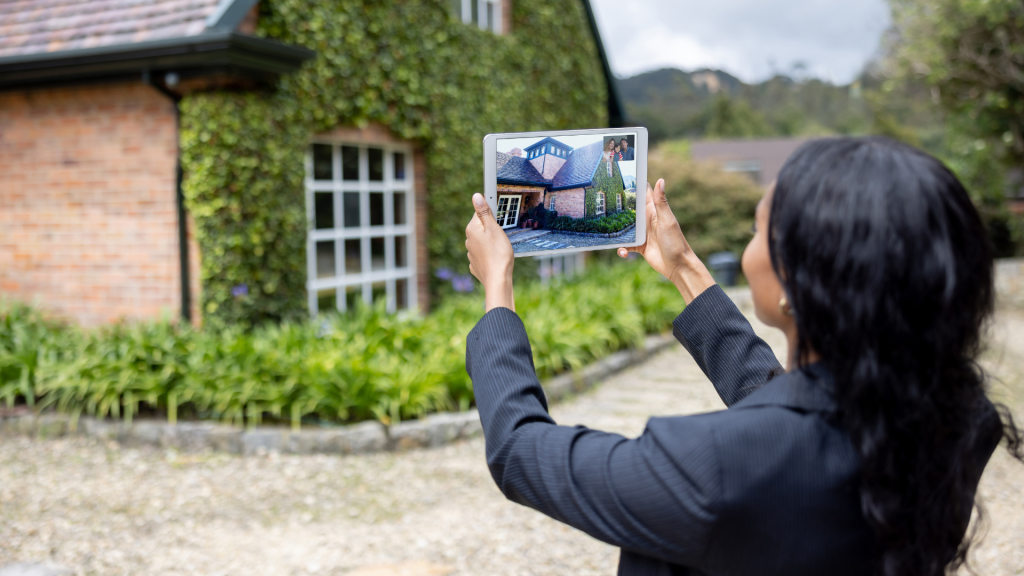
Virtual tours became essential during the pandemic, and this trend will continue to grow, enhancing the home-buying experience. With virtual reality (VR) and augmented reality (AR), buyers can explore homes in detail from anywhere.
- Virtual Staging and Walkthroughs: Buyers can visualize properties with furnishings, layouts, and even renovations, helping them make faster, informed decisions.
- Remote Market Access: VR and AR allow international and out-of-state buyers to engage in the home-buying process seamlessly without in-person visits.
Community-Oriented Living Spaces
Modern buyers are valuing neighborhood amenities and social spaces as much as the properties themselves. Community-oriented developments featuring parks, coworking spaces, and recreational areas are highly attractive.
- Mixed-Use Developments: Future neighborhoods are blending residential, commercial, and recreational spaces, offering more convenience and fostering a strong sense of community.
- Green Spaces and Outdoor Amenities: Parks, trails, and outdoor fitness areas are being integrated into community designs, making nature accessible to residents and supporting an active lifestyle.
Health and Wellness Design
Post-pandemic, health and wellness are top priorities in home design. Homes are being built with features that enhance physical and mental well-being, appealing to buyers prioritizing health-conscious living.
- Indoor Air Quality Systems: Homes with advanced filtration systems reduce allergens and pollutants, creating healthier indoor environments.
- Home Gyms and Wellness Rooms: Dedicated spaces for fitness and relaxation, such as yoga rooms or saunas, are gaining popularity, supporting physical and mental health at home.
Minimalist and Sustainable Design Aesthetics

The minimalist trend is more than just an aesthetic choice—it’s a lifestyle. Modern homebuyers are looking for sleek, functional spaces with sustainable design elements.
- Open Floor Plans: Buyers appreciate open, clutter-free designs that promote a flow between rooms, maximizing space and functionality.
- Eco-Friendly Materials: Sustainable materials like bamboo flooring, recycled glass, and reclaimed wood offer stylish and responsible design choices.
Urban Living in Suburban Settings
The allure of urban convenience combined with suburban space is creating demand for “suburban urban” environments. Buyers seek homes in suburban areas that offer easy access to urban amenities.
- Proximity to Transit and Urban Centers: Suburban communities with strong transit links and quick access to city amenities attract buyers looking for the best of both worlds.
- Entertainment and Dining Options: Developing suburban areas are now offering urban-style shopping, dining, and entertainment, making them appealing to buyers who want urban vibrancy without city congestion.
Property Accessibility and Aging in Place
As the population ages, accessibility is becoming a crucial consideration in home design. Many buyers are thinking ahead, seeking homes that can accommodate aging in place or multi-generational families.
- Single-Level Living: Single-story homes or properties with elevator access are highly sought after for future flexibility.
- Accessible Features: Features such as wider doorways, walk-in showers, and stair-free entries allow buyers to future-proof their homes.
Demand for Smaller, Affordable Homes
With rising property costs, smaller, more affordable homes are attracting younger buyers and downsizers alike. The “tiny home” movement and demand for manageable living spaces reflect a trend toward simplicity and lower costs.
- Tiny and Modular Homes: Innovative, smaller homes that are both affordable and efficient are increasingly popular among first-time buyers and retirees.
- Energy-Efficient and Affordable Living: Small homes that are inexpensive to maintain and highly energy-efficient resonate with cost-conscious buyers.
Conclusion
The future of home buying is dynamic, shaped by trends that emphasize technology, sustainability, and versatility. As preferences shift toward smart features, wellness-oriented spaces, and environmentally friendly options, buyers will have more opportunities to invest in homes that align with their values and lifestyles. Whether you’re looking to purchase soon or simply planning for the future, staying informed on these key trends can help you make a confident, future-proof investment.
 Coach Michelle Maloney